

Navigating the Privacy-First Era: Why First-Party Data is Critical for Performance Marketing
Navigating the Privacy-First Era: Why First-Party Data is Critical for Performance Marketing
The landscape of digital advertising is changing fast, and it's no longer just about algorithms—it's about privacy. Learn why First-Party Data is your most valuable asset.

In This Article:
In This Article:
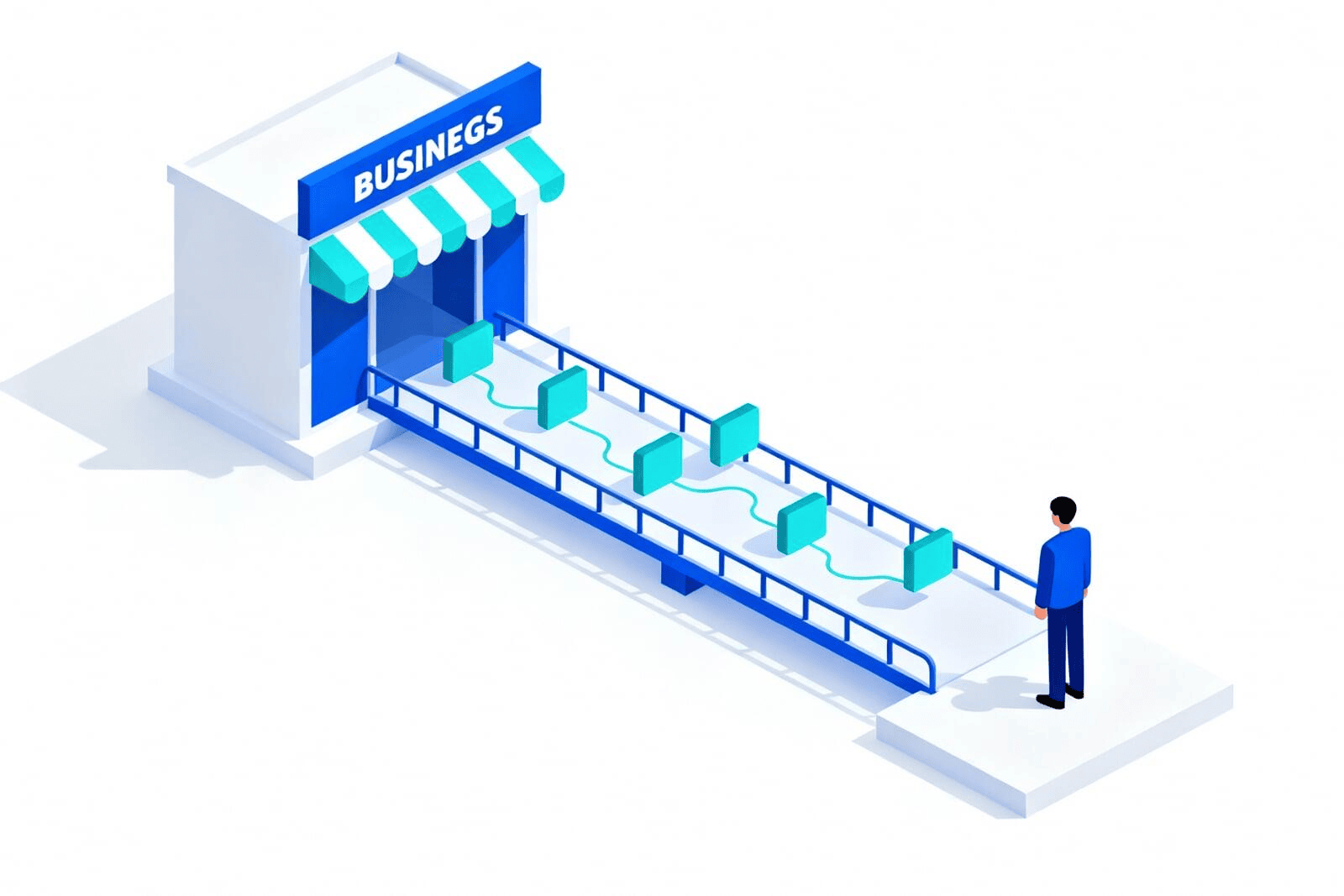
Key Sources of First-Party Data:
Key Sources of First-Party Data:
- Website/App Actions: Purchase history, pages visited, time spent, items added to a cart, or subscriptions.
- Customer Relationship Management (CRM) Systems: Names, email addresses, phone numbers, and past support interactions.
- Email and SMS: Newsletter opens, clicks, and engagement patterns.
- Offline Interactions: Loyalty program data, in-store purchases, or event registrations.
💡 Key Insight:First-Party Data is incredibly valuable because it's accurate, cost-effective (you didn't pay to acquire it from a third party), and you have complete control over how it's used.
Why First-Party Data Matters More Than Ever
Why First-Party Data Matters More Than Ever
The movement toward a cookieless future is a direct response to consumer demand for greater privacy. While this is great for users, it has created serious challenges for advertisers relying on third-party tracking.
The Problem: Data Deprecation
The Problem: Data Deprecation
Data deprecation is the ongoing process of major tech companies limiting or eliminating cross-site tracking tools
Key Benefits of a First-Party Data Strategy
Key Benefits of a First-Party Data Strategy
Moving your strategy to focus on First-Party Data doesn't just solve a privacy problem; it creates a massive competitive advantage
Improved Measurement & Attribution
Improved Measurement & Attribution
Build your own clean measurement system. Tie marketing spend directly to customer actions on your site, even as third-party tracking tools fail.
Hyper-Personalization at Scale
Hyper-Personalization at Scale
Target users with personalized marketing based on their actual behavior with your brand, not generic segmentation.
Enhanced Customer Lifetime Value (CLV)
Enhanced Customer Lifetime Value (CLV)
Understand purchase frequency and preferred offers to optimize for long-term value, turning one-time buyers into loyal advocates
Example: Hyper-Personalization in Action
Example: Hyper-Personalization in Action
If a user viewed three product pages for hiking boots but didn't buy, you can target them with a specific email featuring the hiking boots and a discount code, rather than a general email about all your outdoor gear. This kind of relevance dramatically increases conversion rates.
Step 1: Audit Your Data Gaps
Step 1: Audit Your Data Gaps
- Map out every customer touchpoint (website, email, app, physical store).
- Identify where you are collecting data and where you are missing out.
- Actionable Insight: Do you collect an email address before someone can access a premium piece of content? If not, you're missing FPD.
Step-by-Step Guide: How to Start Collecting and Using Your Own Data
Step-by-Step Guide: How to Start Collecting and Using Your Own Data
Step 2: Focus on Ethical Consent
Step 2: Focus on Ethical Consent
- Make your value exchange clear. People will share their data if they get something great in return.
- Ensure your privacy policy is up-to-date and your cookie banners are compliant.
- Allow users to easily decline as well as accept.
Step 3: Implement a Customer Data Platform (CDP)
Step 3: Implement a Customer Data Platform (CDP)
A CDP is a centralized system that gathers all your First-Party Data from different sources (CRM, website, email) and stitches it together into a unified customer profile. This is the essential infrastructure for using your data for Performance Marketing.
Step 4: Activate Your Data
Step 4: Activate Your Data
- Use your unified profiles to create highly specific audiences for paid campaigns.
- Build lookalike audiences based on your best existing customers, not just generic website visitors.
Common Mistakes to Avoid with First-Party Data
Common Mistakes to Avoid with First-Party Data
Even with the right intentions, brands often stumble when implementing a new data strategy.
| Mistake | Description | Recommendation |
|---|---|---|
| Data Silos | Data is collected in different systems (sales, marketing, support) that don't talk to each other. | Integrate your systems. Use a tool like a CDP to create one golden record for each customer. |
| Collecting 'Just in Case' | Gathering data points that you don't actually plan to use for personalization or marketing. | Be intentional. Only collect data that serves a clear business purpose. |
| Ignoring the Opt-Out | Making it difficult or confusing for users to manage their preferences or unsubscribe. | Prioritize UX. A clear preference center builds trust and long-term customer relationships. |
Essential Tools and Resources for Data Management
Essential Tools and Resources for Data Management
To transition successfully into the privacy-first era, you will need the right technology stack.
Frequently Asked Questions
Frequently Asked Questions
🚀 Ready to Transform Your Strategy?
Start by auditing your current data collection touchpoints and identifying gaps. Then, prioritize implementing a CDP to unify your customer data across all channels.

Conclusion: The Future is Owned
Conclusion: The Future is Owned
The Privacy-First Era is not an obstacle; it's an invitation to build a deeper, more trusted relationship with your customers. The era of cheap, pervasive third-party data is over. Your success in Performance Marketing is no longer determined by how effectively you can track strangers, but by how intelligently you can use the data you collect directly from the people who already love your brand.
By prioritizing First-Party Data, you are future-proofing your business, building customer trust, and ensuring that every marketing dollar you spend is based on the most accurate, reliable information available.